
Close



NFTs are everywhere and you’ve likely heard of them, but just what are they? Are they linked to cryptocurrency or are the two the same thing? What relevance do NFTs have for brands?
We’ll give you a short breakdown and take you through why all the big brands are jumping on the NFT train.
NFT is short for non-fungible token. The Forbes definition describes it as a “digital asset that represents real-world objects like art, music, in-game items, and videos” that are “bought and sold online”.1
Since its introduction in 2014, NFT application has expanded widely to all sorts of areas, from premium auction houses like Christie’s to regulating and authenticating NBA tickets.1
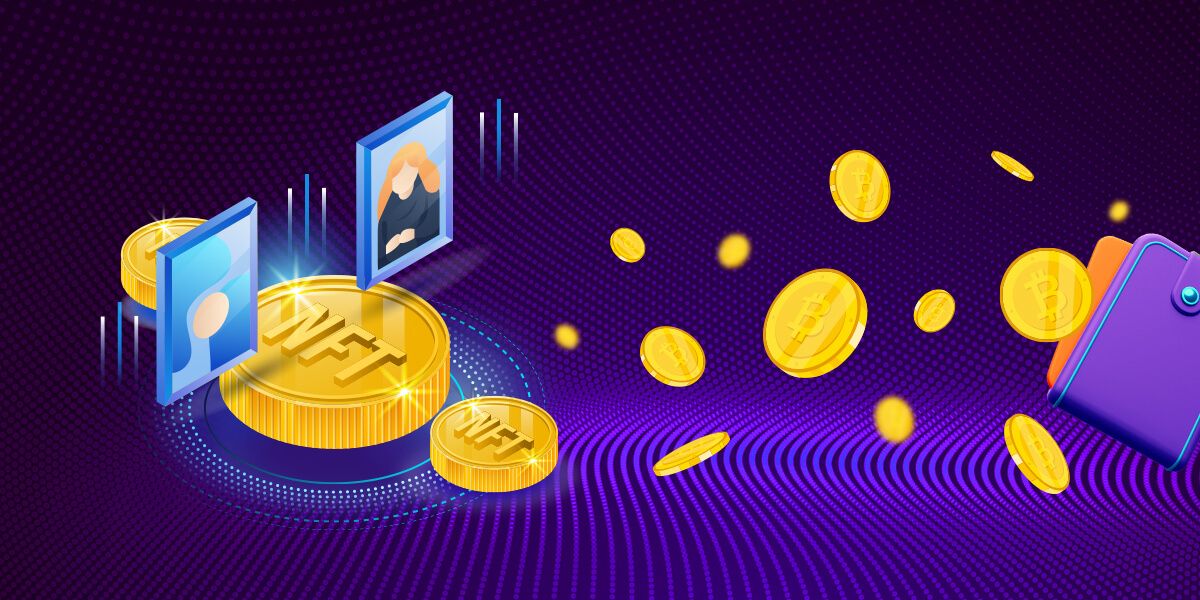
The short answer is no. Though NFTs are built on a similar platform3 to cryptocurrency, it is more of a subset of crypto culture.
| NFTs | Cryptocurrency | |
| Fungible/Non-fungible | Non-fungible Meaning it is a unique item that cannot be replaced with something else2 and is not mutually interchangeable. | Fungible E.g., 1 bitcoin can be exchanged with 1 bitcoin. |
| Economic value | Has more than Economic value NFTs can hold both monetary value as an investment and immeasurable value (e.g., community, exclusivity, status). | Only has Economic value Cryptocurrency is a currency and can be used to purchase items (that have the platform for it) in the same way transactions are made online. |
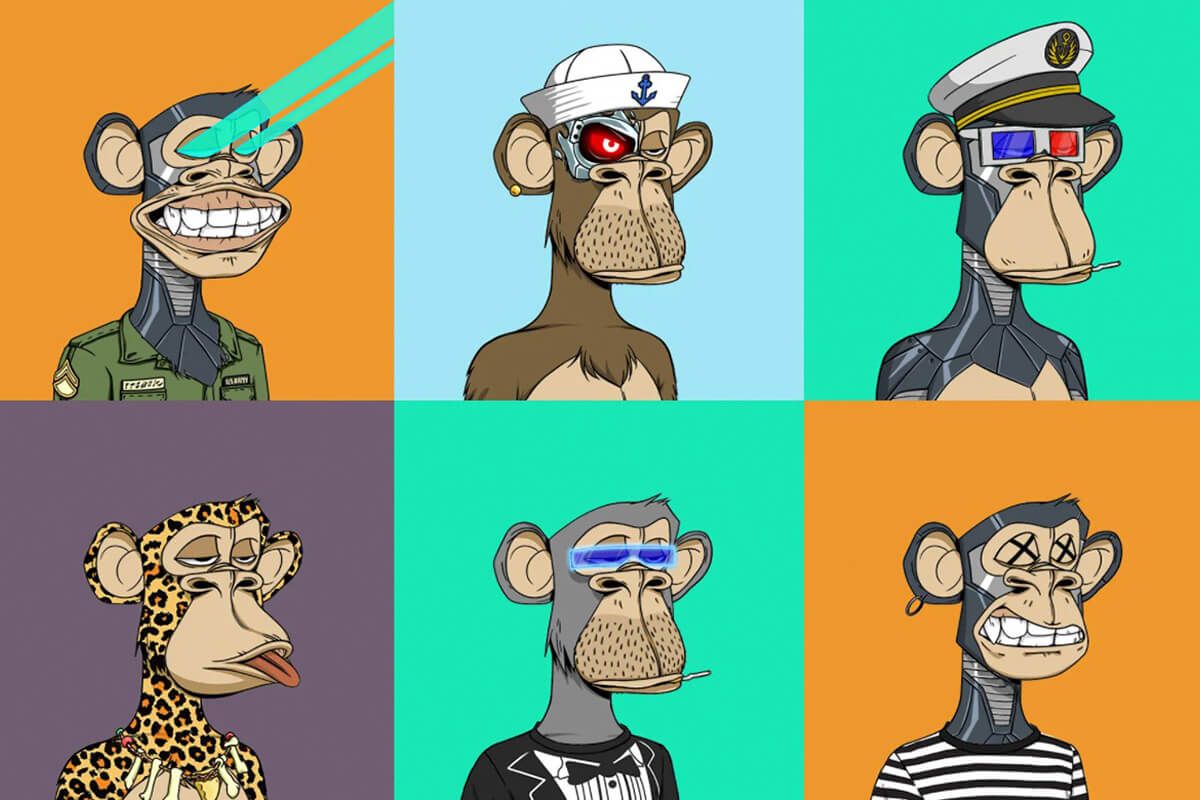
Let’s start with where NFTs derive their value from. According to an article in the Harvard Business Review, NFTs have value in these ways
NFT value first lies in its mimetic nature—meaning it holds value because other people value it.
This means the value of an NFT hinges on its community. Harvard Business Review goes as far as to say that the success of an NFT project is dependent on a robust community of users or early adopters to establish the NFT’s value.
The value of NFTs to brands begins beyond their current image as a digital collectable. NFT technology offers a realm of opportunity for brands seeking to expand their digital touchpoints.
Certain features include:
NFTs in the now and the future could be the central, digital touchpoint between brands and their consumers. Unlike NFT-focused brands, a brand-backed NFT is about “tying the core of the brand” with the brand and core product.
As NYU Professor Arun Sundararajan puts it, “brands must look further ahead than the design and implementation of the NFT sale itself… and think about what this means for the evolution of their relationship with their customers…”
Here are 3 ways brands can benefit from and dabble into NFTs:
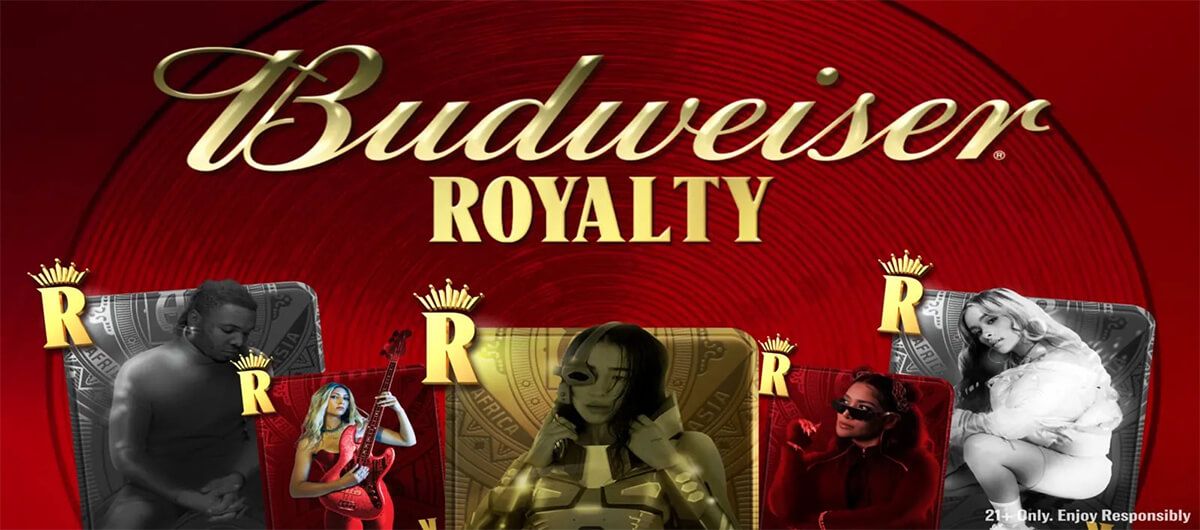
Budweiser’s NFT Royalty drop combined philanthropic efforts with a commercial NFT project to offer micro-sponsorship, “allowing the brand to rise above the more prosaic philanthropy” of donating the proceeds like other brands have tried.8
What they did:
This launch improved Budweiser’s brand perception in two ways.

“Branded NFTs represent a new way for people to bring physical belongings into virtual worlds and articulate brand affinity. They’ll do this for the same reason that some people buy limited-edition vintage sneakers in the real world—to be seen wearing them.”
Put another way, NFTs will become a social currency that connects people to brands8 and this is possible across various industries.
Beauty brand Clinique eschewed treating their NFTs as an asset with monetary value and instead used them to build community and loyalty.
As Carolyn Dawkins, Senior VP of Clinique Global Online puts it,
“These NFTs are a uniquely contemporary way to celebrate loyalty and put our consumers in the driver’s seat, with storytelling and engagement at its core.”
What they did:

Due to the nature of NFTs, they can be endowed with increased purpose over time. This means early NFT offerings such as a ticket or brand collectable could become a digital key to exclusive experiences later.
This can take the form of:
As the metaverse becomes a reality, NFTs will become invaluable to marketers, in part because of their ability to work with other digital products and systems. Thus, making them usable across virtual communities.
With improvement in technology, there will be questions. Two common concerns consumers have in the ever-evolving digital era are about privacy and accessibility. Though tools like NFTs provide opportunities to better personalise consumer experiences, are consumers themselves able to receive these experiences or would NFT accessibility present a point of friction?
Further food for thought includes privacy concerns the educated consumer might have, how their data might be collected and used, and so on. For brands, will there be a need to address these concerns?
We’re in very early stages of the metaverse and by proxy, our adoption of elements like NFTs. Naturally, brands are taking a largely experimental approach. Brands are either early adopters and address issues as they come, or they wait and see.
However, one thing is clear. These concerns have yet to hit the mainstream while brands that have embraced NFTs are in a win-win situation for themselves and customers.
Get in touch to see how we can help you.
References:
1. What Is An NFT? Non-Fungible Tokens Explained
2. NFTs, explained
3. NFTs vs Cryptocurrencies: What is the difference between the two?
4. How NFTs create value
5. How your brand should use NFTs
6. Arun Sundarajan, LinkedIn
7. What is the Budweiser Royalty NFT Project?
8. Advantages of Being a NFT First-Mover: A Budweiser Case Study
9. How NFTs can help brands modernize their loyalty programs
10. Clinique’s first NFT ties to loyalty and products as uses expand




June 7, 2024

June 19, 2024

March 21, 2024

 Thank you for your enquiry! We'll respond shortly.