
Close




With the excitement that comes with Metaverse, we cannot NOT talk about virtual influencers. Whether they’re animated or an uncanny mimicry of a real-life human being, these CGI characters are capable of influencing purchasing behaviour and have amassed followers of their own.
You might think virtual influencers began with the Metaverse, but the culture behind this type of influence dates back to 1980s Japan. Japanese anime and idol culture existed long before we had the technology to generate CGI humans.
In fact, though tech advancements now enable production teams to create human-like virtual influencers—complete with a custom personality —animated virtual influencers are still popular. For this reason, we’ll use the term “virtual influencer” to cover both human-like and animated influencers in this article
In a thesis by W.E.M Wolff, titled A Trend or is the Future of Influencer Marketing Virtual?3 , virtual influencers were noted to be successful at two things.
These findings further support a recent online survey by The Influencer Marketing Factory. They found:
“Virtual influencers can convince others to spend their own money… [with] 35% of the survey’s respondents [saying] they’ve bought a product or service promoted by a virtual influencer.”6
Brands as early innovators have used virtual influencers to inject freshness into their marketing. From VTubers to vocaloids, to the hyper-real influencers, different brands and industries have found effective ways to partner up and market with them.
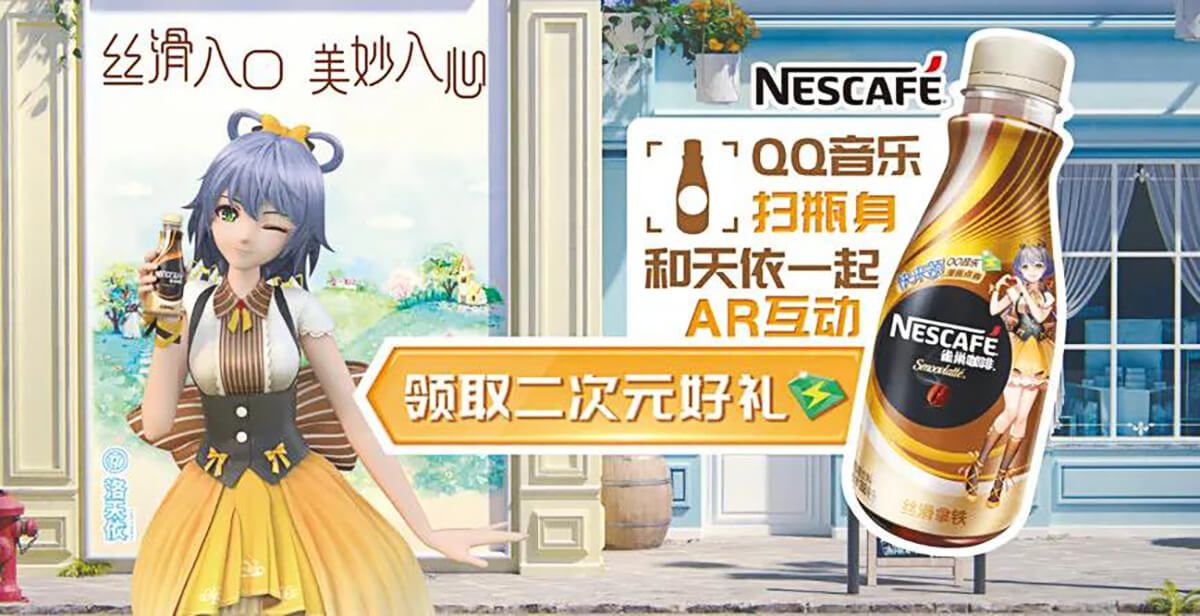
Luo Tianyi (洛天依) is a vocaloid and as of right now, China’s biggest virtual pop star. She was created independent of a specific brand and takes on campaigns and collaborations much like a regular influencer would. A recent collaboration involved the bottled coffee brand, NESCAFÉ.
The campaign:
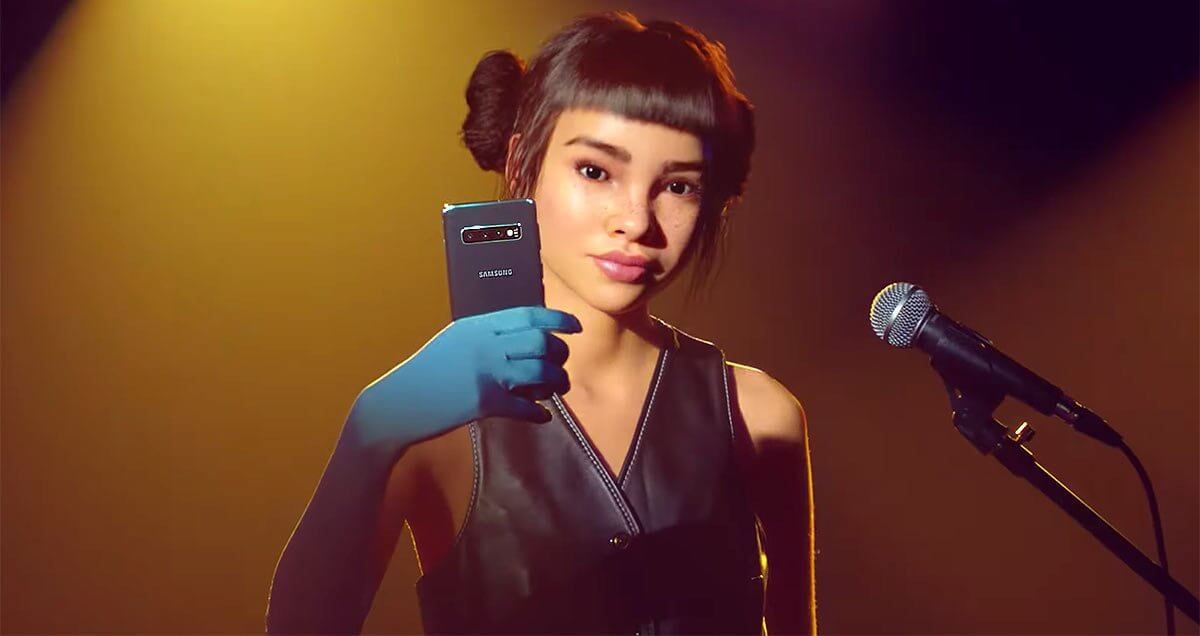
Lil Miquela is an independent virtual influencer with a realistic appearance. A big part of her branding comes from how authentic or real she seems. She’s portrayed as an effortless, cool, and self-aware character with values that align with today’s Gen-Z. From carefully constructed social posts depicting a “messy” real life to her witty bio stating, “19-year-old Robot living in LA”, she’s an embodiment of the term authentic.
The campaign:
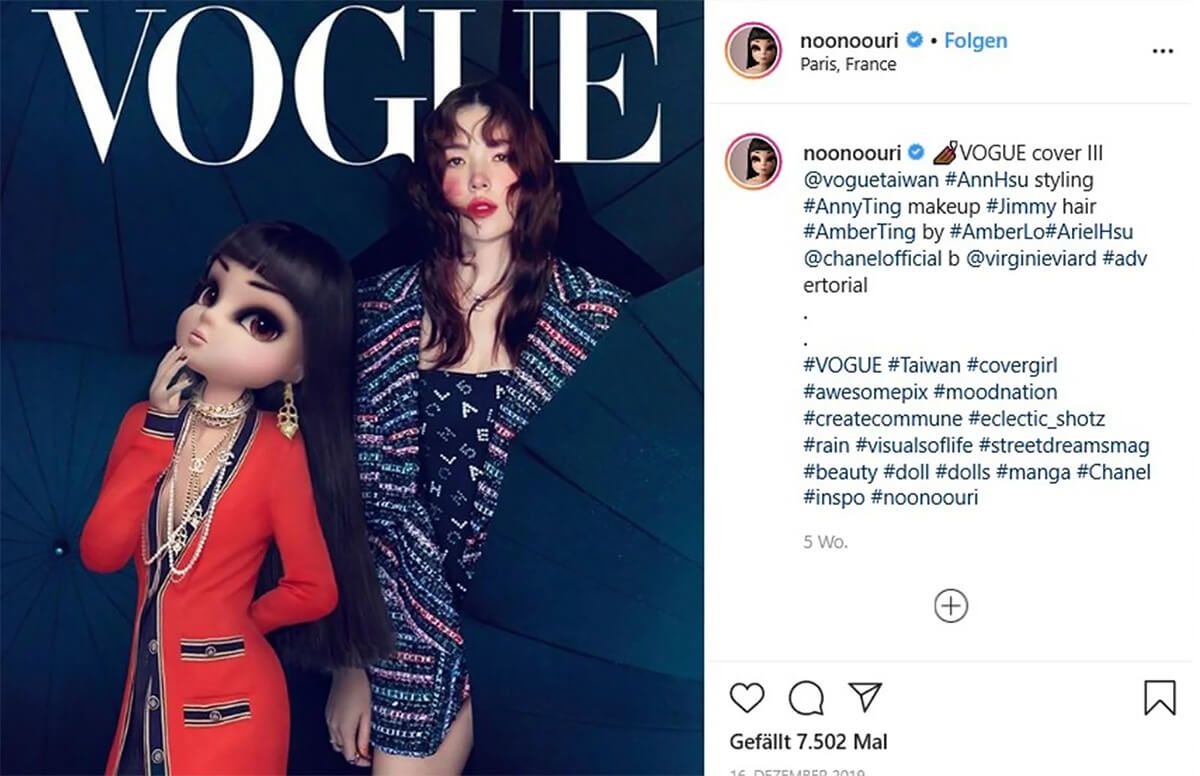
Virtual influencer services largely fall into two categories. The first, working with a virtual influencer the way you would with a real life one. The second is to create a virtual influencer from scratch for a brand. Either way, both offer a host of creative opportunities and experiences.
The benefits of leveraging virtual influencers include:
However, potential cons of utilising virtual influencers are:
The big question with virtual influencers often is, do they replace real life influencers? Though it is tempting to consider this, Didi Pirinyuang, Executive Creative Director at Ensemble Worldwide, shares an interesting perspective.
“The rise of virtual influencers is not an indication that they are human replacements, but rather, a form of escapism and fantasy that provides audiences with a canvas to project their voices, interests, and personalities.”2
In other words, knowing the influencer is a virtual rendition, or a fake, doesn’t matter. What matters is how consumers relate to these virtual influencers.
All in all, as people still value the human touch, virtual influencers won’t be replacing real life influencers just yet. But they present interesting new ways to relate to customers and for brands to expand into the soon-to-come metaverse.
Get in touch to see how we can help you.
References:
1. The Fictional (Yet Amazingly Popular) Singers of Japan
2. The power of AI: How to leverage virtual influencers to power in-person retail
3. A Trend or is the Future of Influencer Marketing Virtual?
4. Computers as Social Actors? Examining How Users Perceive and Interact with Virtual Influencers on Social Media
5. Virtual Influencers Make Real Money While Covid Locks Down Human Stars
6. Virtual Influencers Are Here to Sell You on Their ‘Lifestyles’ (And It’s Working)
7. Nestlé Smoovlatté: From Tianyi with Love
8. Lil Miquela Joins Steve Aoki, Millie Bobby Brown and Ninja in New Samsung Global Campaign
9. How virtual influencers are taking off in digital marketing



June 7, 2024
June 19, 2024
March 21, 2024

 Thank you for your enquiry! We'll respond shortly.