
Close
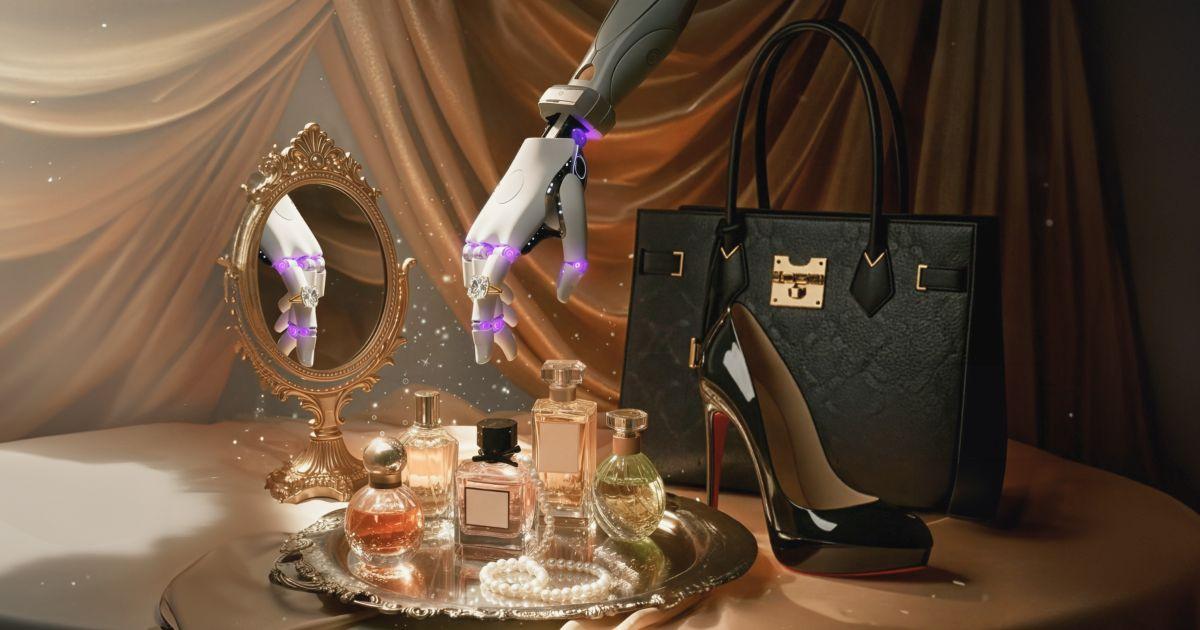



Ask Ralph, the AI-powered conversational stylist launched by Ralph Lauren, is redefining luxury personalization. Integrated within their mobile app, this tool allows consumers to ask complex style queries. From "What should I wear tonight?" to "How do I style this blazer?" and instantly receive bespoke, shoppable outfit recommendations that reflect the brand’s signature prestige and current inventory.
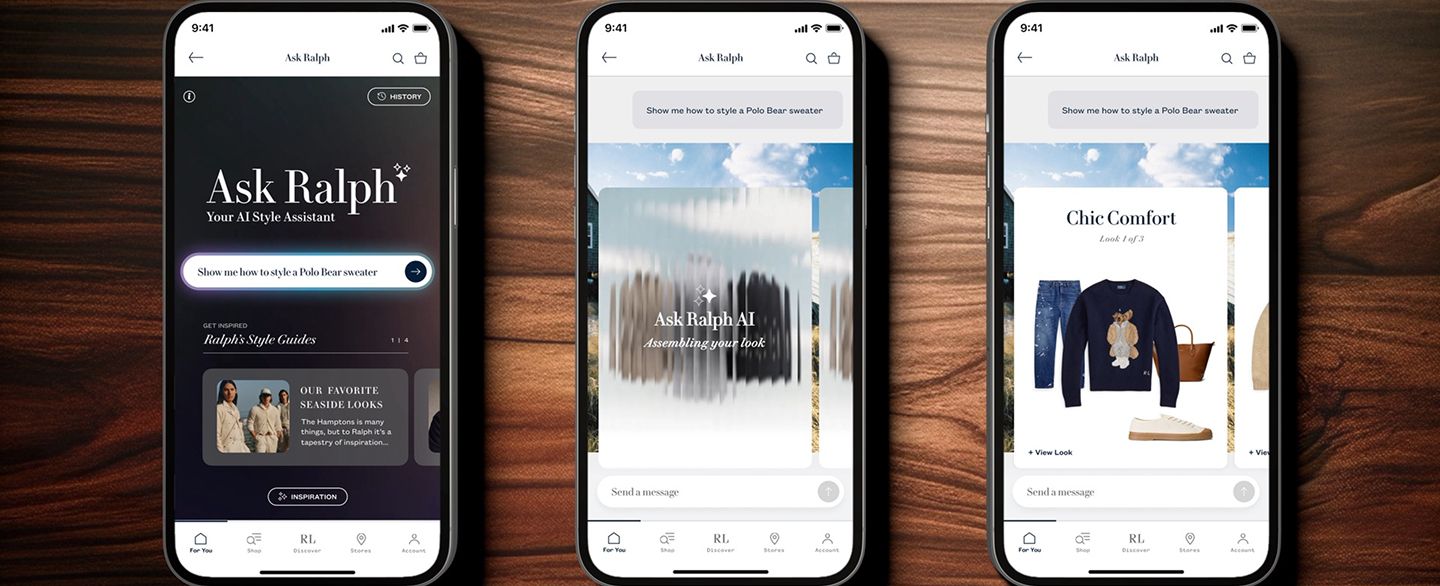
Source: Ralph Lauren Corporation
This launch reflects a growing shift in the luxury sector, where brands are using AI to translate bespoke, in-store service into digital-first experiences. Maintaining the personalised, high-touch care once reserved for boutiques and private showrooms is a major challenge, but AI tools, from chatbots to predictive personalisation, now make it possible to replicate that level of attentiveness online.
The goal is not just efficiency; it is about building relationships at scale—anticipating customer needs, delivering hyper-personalised content, and creating moments of surprise and delight while preserving the brand’s prestige.
For marketers in Southeast Asia (SEA), where consumers are mobile-first, culturally diverse, and highly engaged online, AI is more than a technology.
AI is a way to elevate engagement, foster loyalty, and deliver personalised experiences that feel truly bespoke.
In luxury boutiques, sales associates know their customers by name, remember their preferences and past purchases, and offer tailored advice. AI now allows brands to bring that same level of intimacy to digital channels. Louis Vuitton, Burberry, and others are already using virtual stylists, chatbots, and predictive algorithms to offer curated recommendations.
These initiatives show that high-touch service can be scaled digitally without losing exclusivity. Gucci, for instance, has combined AI insights with human design expertise to forecast emerging fashion trends and create collections that speak to changing customer preferences.
However, reaching a wider audience without diluting the premium experience remains a delicate balance. In SEA, where culture and behaviours vary widely, hyperpersonalisation must adapt to device, channel, context, and even language.
It is not enough to target “male, 25–34, Singapore.” Brands should think in behavioural and contextual terms, such as “mobile shopping D2C enthusiast in Jakarta, shops late at night, influenced by K-pop style, values limited edition drops.”
AI can serve as a digital extension of in-store service, modelling preferences, surfacing timely offers, and anticipating the next purchase. Routine interactions can be automated, while high-value customers receive curated experiences.
Luxury brands expanding in SEA are already localising their global tools, offering chatbots in Bahasa or Thai, and aligning campaigns with local festivals or shopping behaviours to ensure cultural relevance.
Luxury brands do not aim for a single purchase, they aim for lifetime relationships. Ask Ralph shows how AI can extend engagement beyond transactions, offering style advice and ongoing interaction that deepens loyalty.
In SEA, where acquisition costs are high and competition is fierce, delivering a differentiated experience that fosters loyalty is crucial. AI should not just drive sales, it should engage. Chat-based style advice, early access to limited drops, personal check-ins, and surprise offers to high-value segments help build trust and deepen relationships, mirroring the attentive service expected in luxury retail.
As highlighted by Vogue College of Fashion, AI is also enabling immersive digital experiences, from virtual catwalks to interactive flagship stores, allowing consumers to inhabit the brand rather than just observe it. These experiences blend storytelling, design, and technology to create emotional resonance and long-term connections. Such touchpoints are especially powerful for younger audiences, who increasingly seek meaning and engagement alongside prestige. When personalisation meets immersion, brands can nurture lasting relationships and loyalty at scale.

The true appeal of AI in luxury marketing lies in its ability to humanise digital experiences at scale. While luxury brands may have the budgets to experiment, the principles are applicable to businesses across all tiers in SEA.
Key takeways:
By adopting this mindset, brands can transform AI from a technical tool into a relationship-building engine, delivering experiences that feel bespoke, human, and enduring, even at scale.
If you’re a marketer looking to explore AI-driven storytelling, creative automation, or digital-first content strategies, let’s collaborate to reimagine what your brand can do.
🔗 Get in touch: enquiry@kingdomdigital.com.my
📲 Follow our creative experiments on Instagram and LinkedIn




October 31, 2025
August 20, 2025
May 29, 2025

 Thank you for your enquiry! We'll respond shortly.