
Close



Article written by Samantha Lim, Senior Marketing Executive
“Whimsy” is having a moment, particularly among Gen Z and younger millennials, who have turned the word into something more than just a design style. It describes a way of bringing more playfulness, spontaneity and joy into everyday life. You might not be able to control everything happening around you, but you can choose the cute mug you drink from, the ridiculous outfit you wear or the sticker you put on your phone.
Etsy trend expert Dayna Isom Johnson describes this as a form of “everyday escapism”, with shoppers looking for things that feel personal, playful and unexpected. And it isn't just about buying things. “Whimsy hobbies” have also taken off, from sending postcards to picking up crafts and activities your 10-year-old self might have loved. There is something quite comforting about doing something simply because it makes you happy, rather than because it is productive.
For brands, that shift is worth paying attention to. After years of polished feeds, perfect aesthetics and carefully constructed brand identities, people may simply be looking for brands that feel a little less serious which is exactly where whimsy marketing comes in.
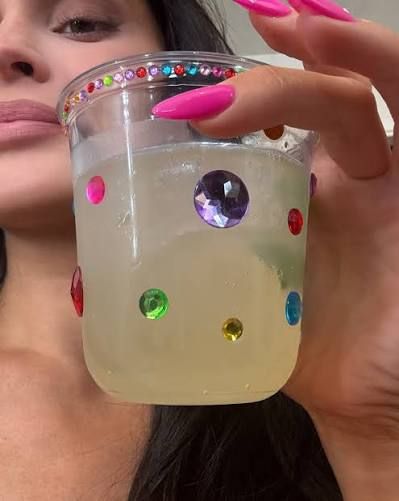
One of the clearest examples comes from, unsurprisingly, Kylie Jenner. For her 29th birthday in August 2026, Kylie shared photos of a celebration covered in colourful rhinestones. The cake was bedazzled. So were the glasses. Even her phone case got the treatment. What could have been just a nostalgic DIY detail quickly became part of the wider “whimsy maxxing” conversation online.
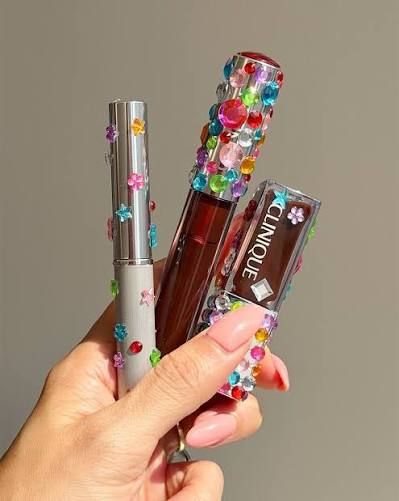
Kylie didn't invent the desire for maximalist decoration, but she gave it a highly visible, highly shareable expression. The look carried into her beauty choices too, including her “Crystal Candy” manicure covered in colourful gems. Soon, other beauty brands such as Sol de Janeiro, Clinique, Gisou and Laneige were playing with similar colourful embellishments.
The interesting part for marketers is that people didn't just look at it. They wanted to recreate it. The rhinestones became something fans could put on their own nails, accessories and makeup. A visual detail became a behaviour, and suddenly the audience was part of the trend instead of simply watching it.
That's where whimsy becomes more than an aesthetic. It gives people something to play with.
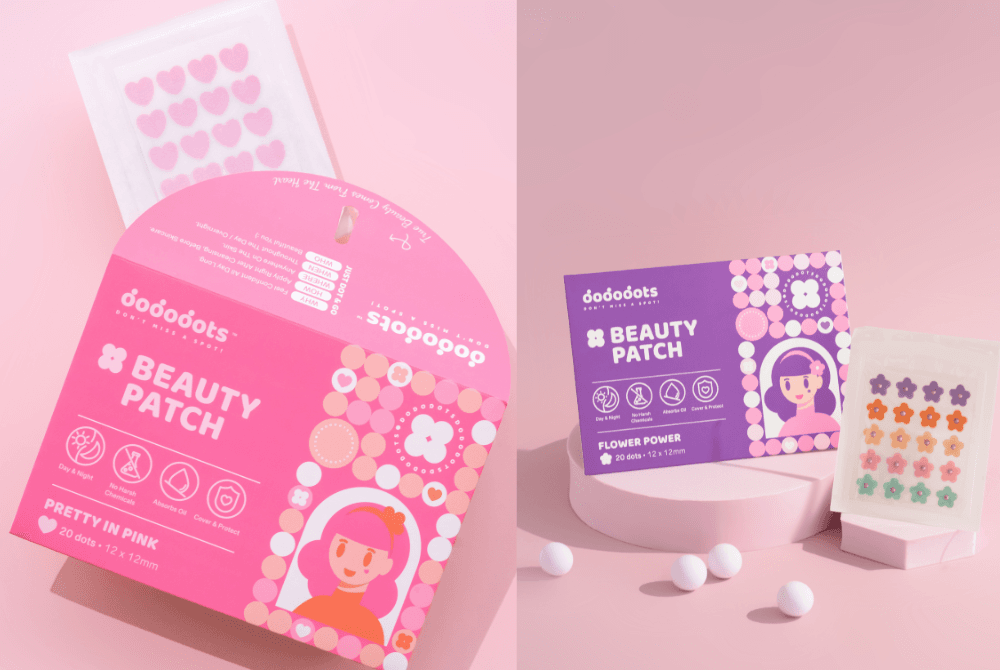
Acne is usually something beauty brands tell us to get rid of. Cover it, treat it, conceal it, make it disappear. Malaysian pimple patch brand Dododots took a different approach by making the thing people normally hide into something they can actually show off.
Its pimple patches come in designs like cats, bears, flowers, butterflies, hearts and stars. By making the patch colourful and collectible, Dododots turns an otherwise mundane skincare step into a tiny moment of self-expression. Instead of an invisible patch that says “please don't notice my pimple”, you get a little butterfly sitting on your cheek. The product still does its job, but suddenly there's a bit of personality involved too.
That's what makes Dododots such a nice example of whimsy marketing. The brand's “acne-positivity” approach isn't just about treating a breakout. It's about changing how you feel about having one. Instead of looking in the mirror and thinking, ugh, I have a pimple, you might be thinking, which sticker am I putting on today?
A butterfly on your cheek isn't saying, look at my acne. It's saying, I decided to put a butterfly here. And sometimes, that's all it takes to turn an insecurity into a small moment of joy.
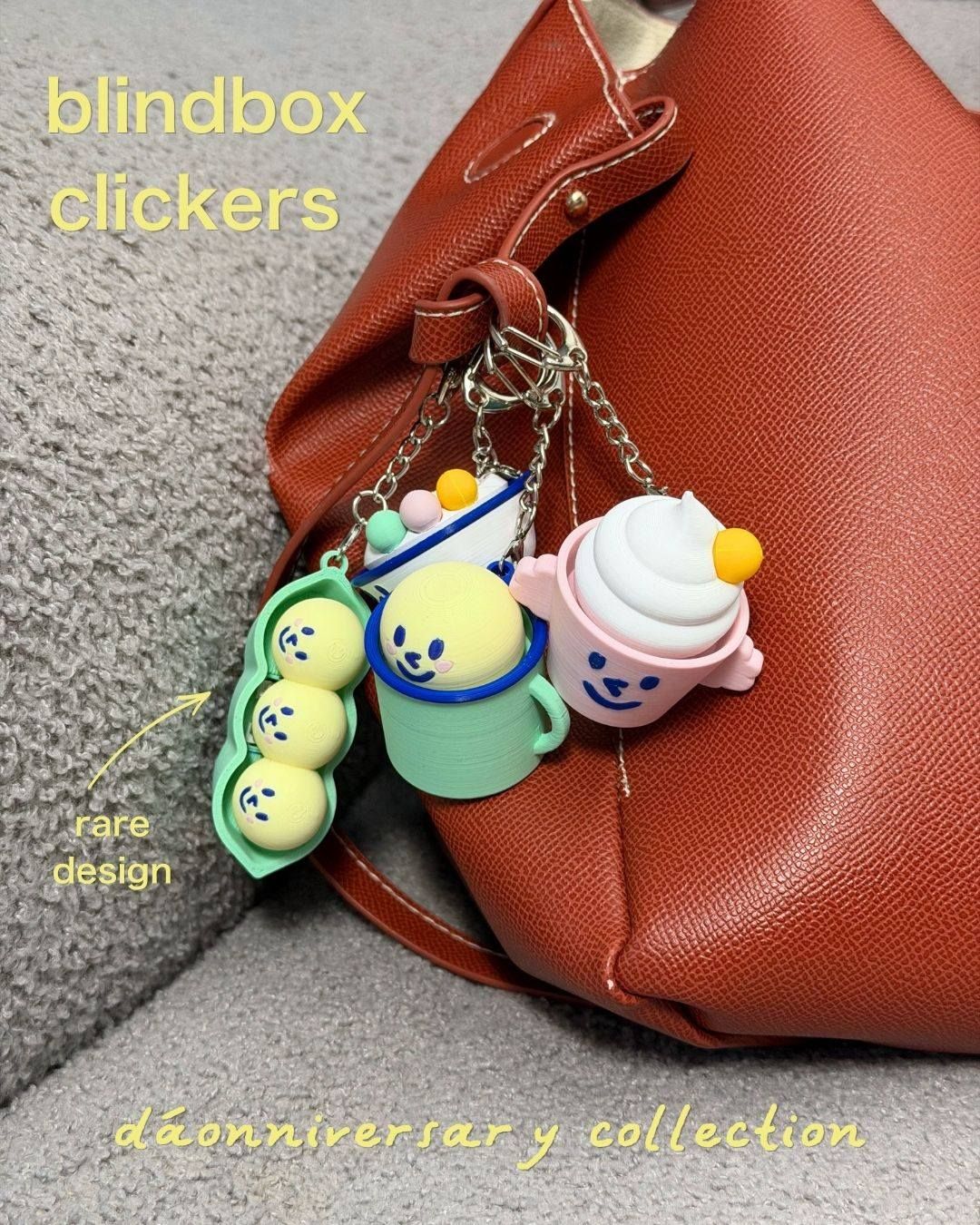
Whimsy doesn't always have to live inside the product. Sometimes, it can live around it.
Malaysian soy dessert brand dáo Desserts recently took its playful brand personality a step further with a collection of blind-box clickers. With four designs to collect, including a rare one inspired by the three siblings behind the brand, the RM28 blind boxes turn a simple dessert purchase into a small moment of surprise and collectability (Jayne, 2026).
On paper, a clicker has very little to do with tau fu fa. And that's exactly why it works.
The fun isn't really in what the clicker does. It's in the tiny moment of anticipation when you open the box, followed by the inevitable question: Do I collect all four? dáo even plays into the randomness with the line, “You don't choose the clicker. The clicker chooses you.”
The same playful thinking shows up in its wider merchandise, including cute limited-edition stickers. A dessert run that could have been a completely ordinary purchase now has an extra layer of surprise, collectability and personality.
The Kylie, Dododots and dáo examples look completely different, but they have something in common. None of them are simply making their products “cute”. They are giving people a reason to participate, express themselves or feel a little happier.
And that's probably the bigger lesson behind the whimsy marketing as a trend. It isn't about putting bows and glitter on everything. It is about understanding Gen Z aesthetic types and finding those small opportunities to make an ordinary experience feel a bit more special.
In a world where so much is polished, optimised and increasingly AI-generated, there is something refreshing about a brand that doesn't take itself too seriously. Something a little unexpected. A little imperfect. A little silly. Maybe the internet isn't craving more content after all.
References:


May 29, 2026

August 19, 2026
August 10, 2026

 Thank you for your enquiry! We'll respond shortly.