
Close
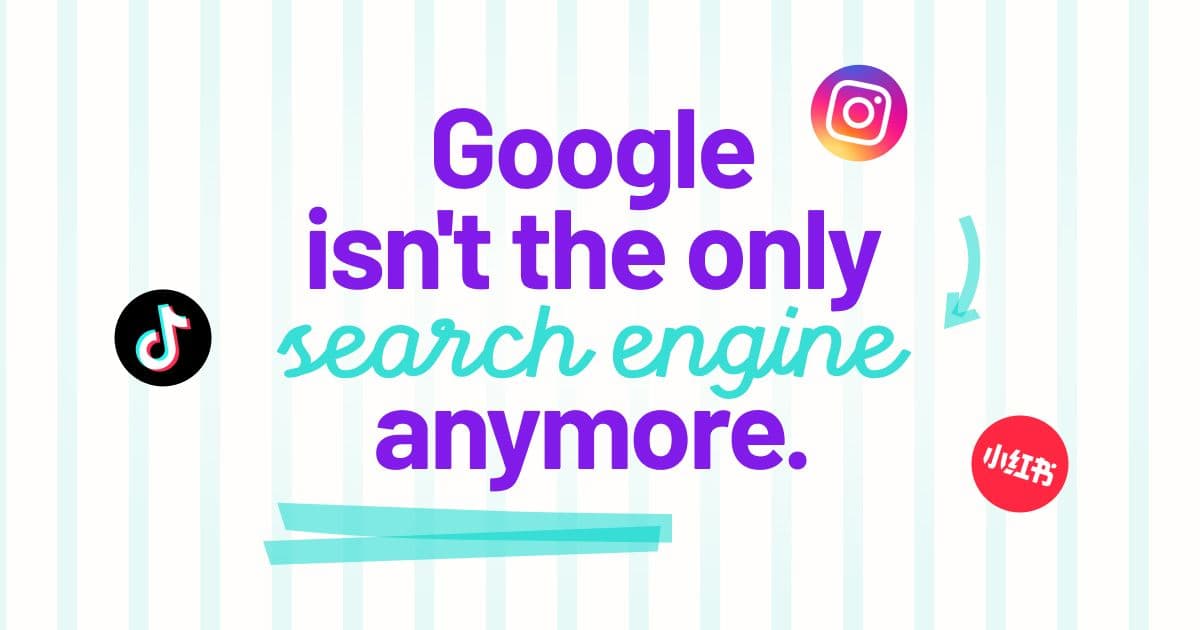



There was a time when almost every online journey started with Google.
Need restaurant recommendations? Google.
Looking for travel inspiration? Google.
Shopping for skincare? Google.
Today, that journey often starts somewhere else.
For many discovery-led searches, people are increasingly opening TikTok, Instagram, or Xiaohongshu before they turn to traditional search engines. They're no longer typing fragmented keywords like "best ramen KL" or "minimalist bedroom." Instead, they're asking questions the way they would ask a friend:
"Where should I eat in KL for a first date?"
"Muji bedroom interior ideas."
"Best sunscreen that doesn't leave a white cast."
This isn't simply a change in platform preference. It's a fundamental shift in how people expect information to be delivered.
Traditional search engines were designed to retrieve information.
Social platforms, however, excel at delivering experiences.
A Google search might return a list of restaurant websites and review pages. TikTok, on the other hand, immediately shows videos of the ambience, food presentation, customer reactions, and honest opinions—all within seconds.
The same applies across lifestyle categories. Whether it's fashion, travel, beauty, home décor, or fitness, people increasingly want to see the answer instead of reading about it.
Search has become visual and conversational. Most importantly, it has become human (Baccaro, 2025).
Even Google has acknowledged this behavioural shift. In 2022, Google executives revealed that nearly 40% of young people searching for somewhere to eat or visit often turn to TikTok or Instagram instead of Google Search, prompting Google to invest more heavily in visual discovery features and conversational search experiences (Johnson, 2022).
One of the biggest drivers behind this shift is authenticity.
Platforms like Xiaohongshu have built entire ecosystems around user-generated content, where real people share genuine experiences rather than polished advertisements. Rather than relying on polished brand messaging, users search for everyday experiences shared by people with similar lifestyles, budgets, or preferences.
Similarly, TikTok's recommendation engine surfaces creators who demonstrate products, visit destinations, or review restaurants in a way that feels relatable and unscripted.
Consumers don't just want the highest-rated option anymore.
They want to know:
"Would someone like me actually enjoy this?"
That context is difficult for traditional search engines to provide but is naturally embedded within creator content.
The result is a search experience that feels less transactional and more personal.
Another significant change is how people search.
Instead of entering disconnected keywords, users are asking complete questions in natural language (Macarthur, 2025).
Rather than searching "best cafe KL", they're typing:
"Best cafés in KL to work from with good coffee."
Rather than "living room ideas", they're searching:
"Small apartment living room with Japandi aesthetic."
Their search algorithms increasingly interpret natural language, allowing users to search conversationally instead of relying on fragmented keywords.
This mirrors the broader direction of digital search, where algorithms increasingly prioritise context and relevance over exact keyword matching.
For marketers, this means content needs to answer real questions rather than simply include popular search terms.
Being searchable today is no longer just about ranking on Google.
It's about being discoverable wherever consumers are actively searching.
That requires a different content mindset.
Brands need to shift from creating content purely for engagement to creating content for discoverability. That means answering questions, solving problems, demonstrating products in context, and writing captions using the same language consumers naturally search with.
Every piece of content becomes an opportunity to appear in someone's discovery journey.
The most important takeaway isn't that Google is disappearing. It remains an essential tool for many types of searches.
What's changing is user behaviour.
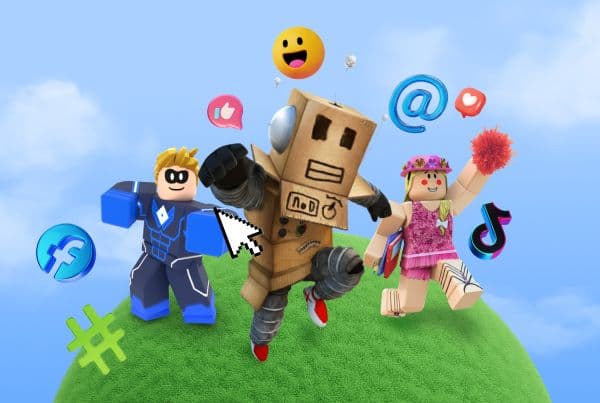
Search is becoming embedded within the platforms people already spend hours on every day. Discovery happens while scrolling, watching, saving, and sharing—not necessarily through a dedicated search engine.
For brands, this represents both a challenge and an opportunity.
The brands that treat social media solely as a publishing channel risk becoming invisible during the moments that matter most.
The brands that recognise social media as a search engine—one powered by conversation, community, and authentic experiences—will be the ones consumers discover first.
The future of search isn't about replacing Google. It's about recognising that discovery has expanded beyond traditional search engines. Consumers now expect search to be visual, conversational, personalised, and embedded within the platforms they already use. The brands that optimise for discoverability—not just visibility—will be the ones people find first.
References:


October 29, 2025
March 11, 2026

March 20, 2026

May 29, 2026

 Thank you for your enquiry! We'll respond shortly.