
Close



Article written by Samantha Lim, Senior Marketing Executive
Have you ever found yourself craving an iced latte after watching a perfectly slow-poured coffee reel? Or been tempted to buy a lip tint because it looked as glossy as a freshly glazed pastry?
If so, you've already experienced the influence of sensory marketing.
With audiences becoming increasingly selective about the content they engage with, brands are evolving beyond traditional advertising. Instead of simply showcasing products, they're creating experiences that evoke sight, sound, touch, taste and even smell, making consumers feel connected before they ever make a purchase. In a crowded digital landscape, memorable experiences are becoming the true competitive advantage.
Sensory marketing is a branding approach that appeals to one or more of the five human senses: sight, sound, smell, taste and touch. Rather than relying purely on product features or promotional messaging, it taps into emotion, memory and psychology to build stronger and more meaningful brand associations.
While this strategy has long been associated with physical retail through signature scents, tactile packaging and immersive store environments, brands are now translating those same principles into digital experiences. From ASMR-inspired content and visually indulgent food aesthetics to tactile product innovation, sensory marketing helps audiences experience a brand long before interacting with it in person.
Consumers today are exposed to an endless stream of digital content. As polished visuals become the norm and AI-generated content becomes increasingly common, capturing attention alone is no longer enough.
People are naturally drawn to experiences that feel authentic, immersive and emotionally engaging. Whether it's the satisfying crunch in an ASMR video, close-up shots of indulgent food, textured packaging or interactive brand activations, these sensory moments stand out because they stimulate more than just our eyes.
Science also explains why this works. Our senses are closely linked to memory and emotion. A familiar fragrance can instantly transport us to a specific moment, while a distinctive sound can trigger immediate brand recognition. The more senses a brand engages, the more likely it is to leave a lasting impression.
This growing demand for memorable experiences is reflected in consumer behaviour. According to VML's Future Shopper research, 65% of consumers want brands to surprise them with fresh, unexpected campaigns, while almost half are more inclined to purchase from brands that make them feel happy and inspired.
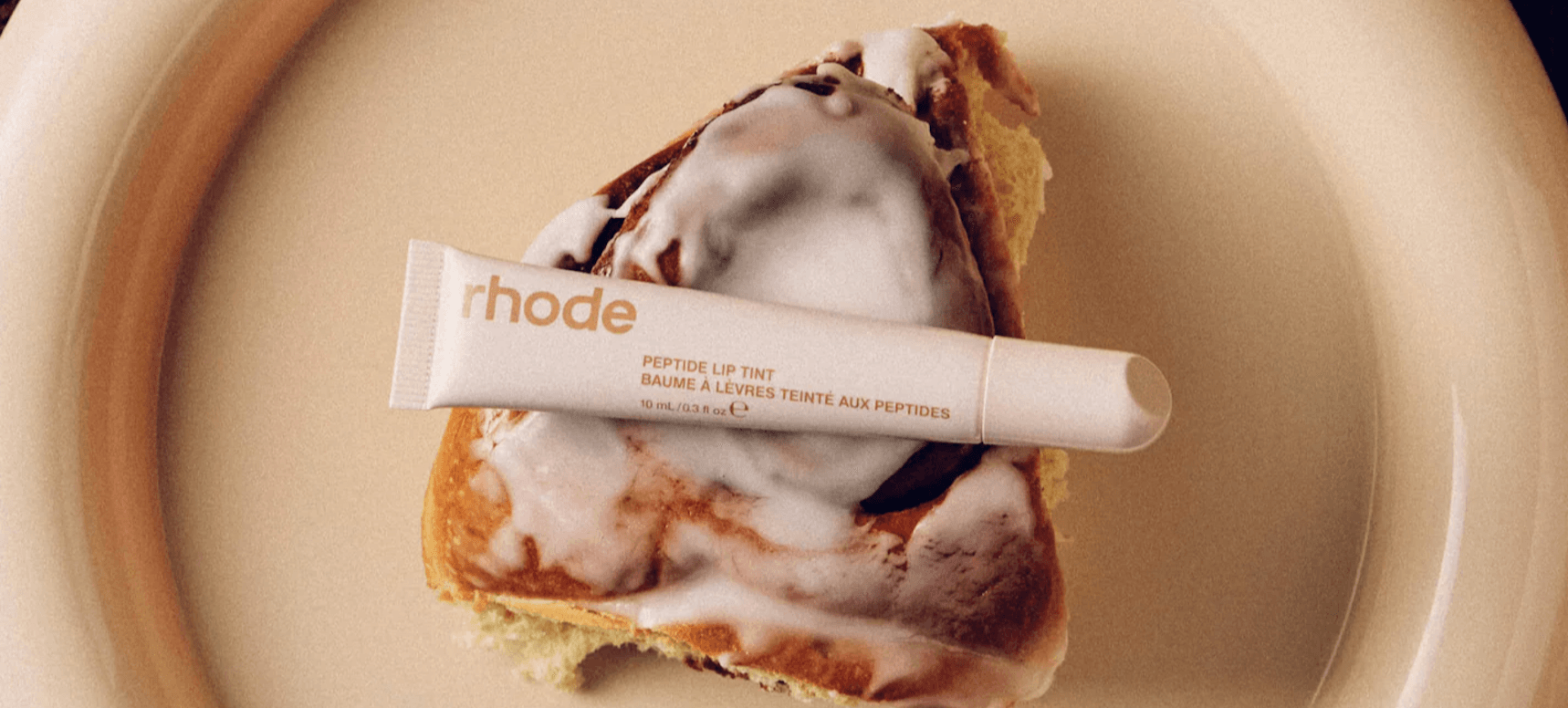
Rhode, Peptide Lip Tint in Cinnamon Roll
Rather than simply launching new lip colours, Rhode leaned into food-inspired storytelling. Shades such as Espresso, Toast and Ribbon were paired with glossy visuals resembling chocolate, frosting and caramel, creating an almost edible appeal. Even without tasting the product, consumers instinctively associated the visuals with familiar flavours and comforting cravings.

Netflix Originals, Intro
Netflix's signature "Tu-dum" lasts only a couple of seconds, yet it's recognised instantly around the world. This is a powerful example of sonic branding in action. Before viewers even see a logo, the sound creates anticipation and signals that entertainment is about to begin, proving that memorable audio can become just as iconic as visual branding.
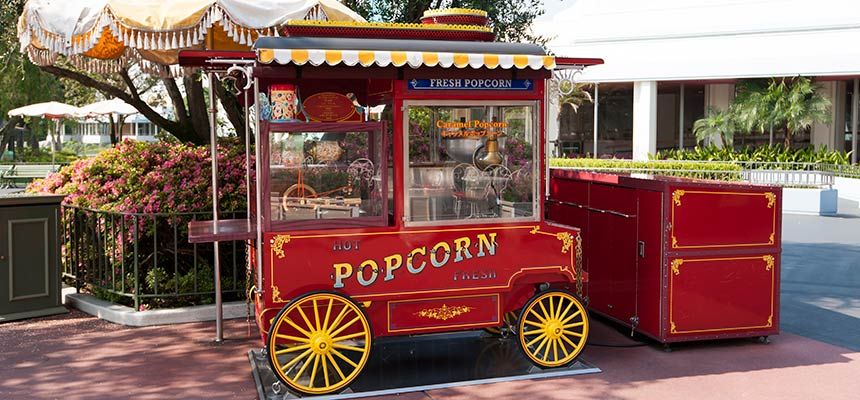
Disneyland, Popcorn Wagons
One of Disneyland's best-known sensory experiences comes from its carefully crafted scents. Around selected areas of the parks, specialised scent diffusers release aromas such as freshly popped popcorn, vanilla and baked cookies, creating an inviting atmosphere while reinforcing the storytelling behind each location (Getahun, 2023). The result is an environment that feels nostalgic, comforting and naturally, encourages visitors to indulge.
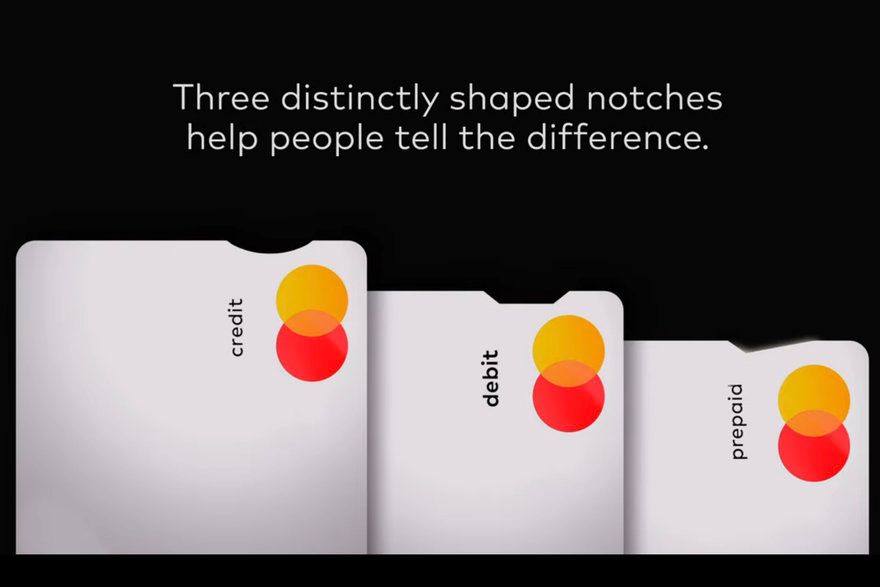
Mastercard, Accessible Cards for the Blind
Mastercard reimagined the everyday payment card by introducing tactile notches that enable blind and partially sighted users to identify different cards through touch alone. Rather than treating accessibility as an afterthought, the design demonstrates how sensory experiences can solve real-world challenges while strengthening brand purpose.
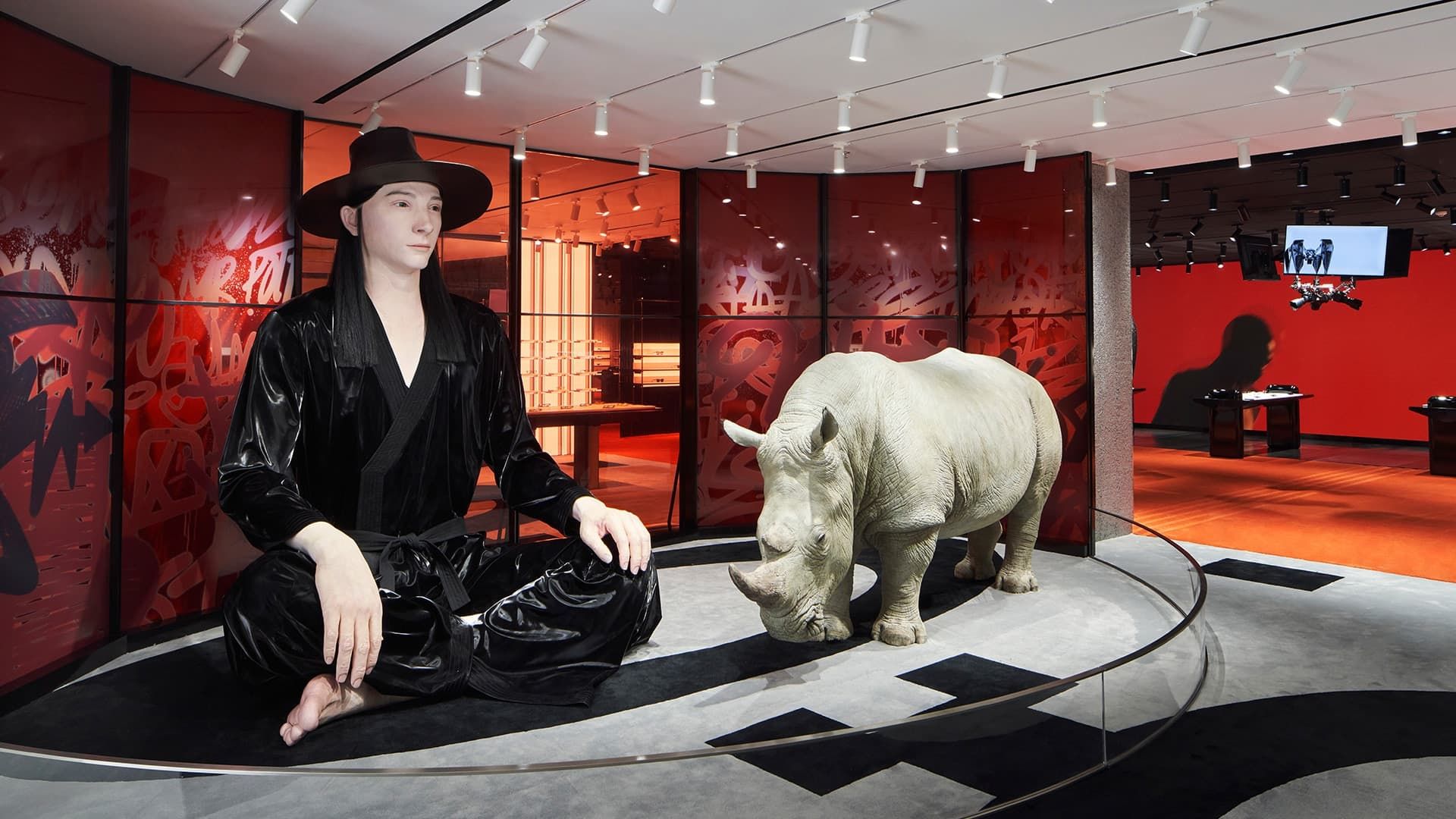
Gentle Monster, Flagship Store in Beijing Taikoo Li Sanlitun
Walking into a Gentle Monster flagship store often feels more like entering a contemporary art exhibition than an eyewear boutique. Surreal installations, large-scale sculptures and cinematic interiors encourage visitors to explore the space at their own pace, turning retail into an experience worth sharing. By making the environment just as memorable as the products themselves, Gentle Monster demonstrates how visual storytelling can transform retail into a powerful brand experience. It's a reminder that sight isn't just about beautiful imagery—it's about experiential marketing: creating destinations people actively want to visit.
As digital content becomes increasingly saturated—and increasingly generated by AI—attention alone is no longer the hardest thing to earn. Connection is. It's the same question brands face when weighing whether virtual influencers can replace the human warmth sensory marketing depends on.
Forward-thinking brands are no longer focused solely on producing attractive content. Instead, they're designing moments that evoke emotion, stimulate multiple senses and create lasting memories. Whether through distinctive sounds, immersive environments, tactile product design or visuals that spark desire, sensory marketing transforms ordinary interactions into meaningful brand experiences.
Ultimately, the brands that stand out won't just be the ones people notice—they'll be the ones people remember because of how they made them feel.
Ready to give your audience something they can almost taste? Talk to Kingdom Digital about crafting sensory-driven campaigns that sticks.
References:




October 29, 2025

March 11, 2026
March 20, 2026

May 29, 2026

 Thank you for your enquiry! We'll respond shortly.